
MIL-SPEC RF Assemblies Built for Airborne Environments
RF Assemblies That Perform When Aircraft Vibrate, Flex, and Freeze
Qualified for the extreme vibration, temperature, and humidity conditions inside military and commercial aircraft, Gore Ruggedized Airframe RF Assemblies maintain signal integrity where standard assemblies fail — sortie after sortie.
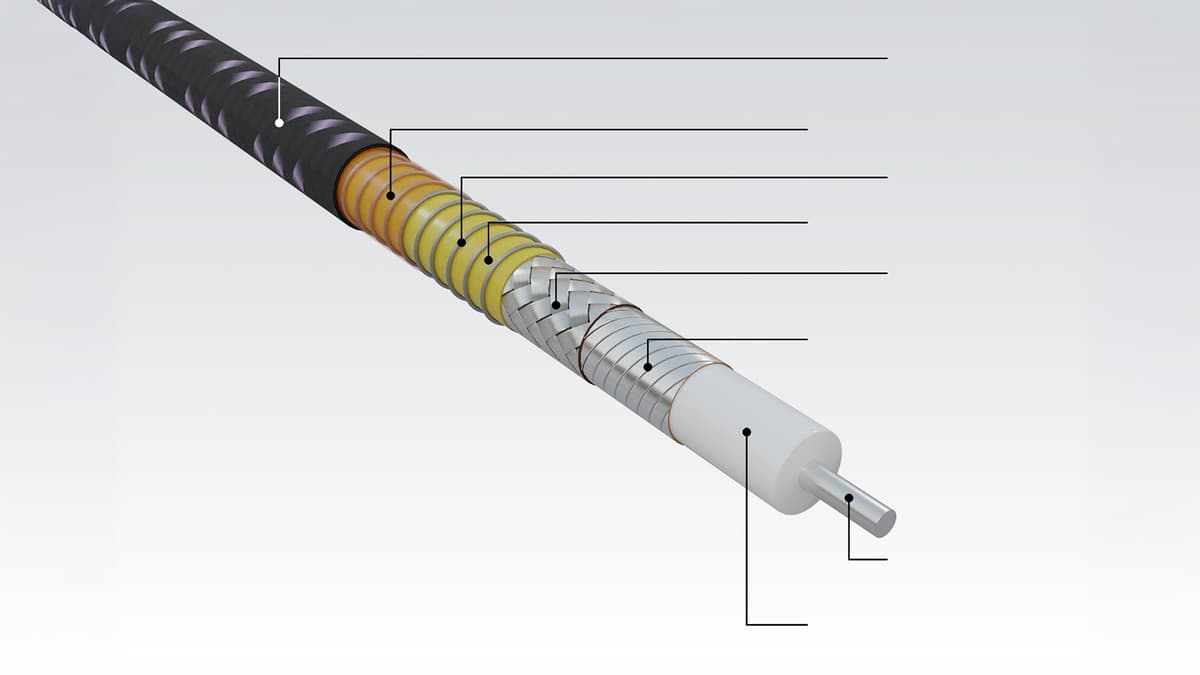
Ruggedized airframe RF assemblies qualified for the extreme vibration, temperature, and humidity conditions inside military and commercial aircraft. Engineered for long service life in high-vibration fuselage, wing, and pod installations with full MIL-SPEC environmental compliance.
Why Choose Gore Ruggedized Airframe RF Assemblies?
Survives Airborne Vibration Without Signal Degradation
Aircraft generate broadband mechanical vibration from engines, aerodynamic loads, and weapons firing. Gore Airframe assemblies use ruggedized cable construction and strain-relief systems that maintain connector seating and cable geometry under sustained MIL-STD-810 vibration profiles — preventing the intermittent contact failures that ground aircraft.
Full MIL-SPEC Environmental Qualification
These assemblies are designed and tested to MIL-SPEC requirements covering temperature (-65°C to +200°C), altitude, humidity, salt fog, and shock. Procurement engineers can specify them with confidence that the environmental qualification work is already done — dramatically reducing program risk.
Long Service Life Reduces Aircraft Downtime
Cable assembly replacement in airframe installations is expensive and time-consuming. Gore's fluoropolymer materials resist chemical attack from hydraulic fluids, fuels, and de-icing compounds, while the robust construction tolerates the repeated thermal cycling of climb/descent profiles across years of service.
Technical Specifications
- Frequency Range
- DC to 40 GHz
- Characteristic Impedance
- 50 Ω
- Operating Temperature
- -65°C to +200°C
- Environmental Standard
- MIL-STD-810 (vibration, shock, humidity)
- Connector Options
- SMA, TNC, N-type, custom MIL
- Jacket Material
- Abrasion-resistant fluoropolymer
- Bend Radius (min.)
- Per MIL-C-17 flex requirements
Applications
- Avionics bay RF interconnects in fixed-wing and rotary aircraft
- Radar antenna feed and waveguide interface assemblies
- Electronic warfare (EW) system internal wiring
- Communications and IFF system interconnects
- Pod-mounted sensor and FLIR system cabling
- Helicopter rotor mast RF slip ring feed cables
Industries Served
Frequently Asked Questions
What MIL-SPEC standards do Gore Airframe assemblies comply with?
Gore Ruggedized Airframe RF Assemblies are designed to meet requirements of MIL-STD-810 for environmental stress (temperature, vibration, shock, humidity, altitude) and MIL-C-17 for cable construction. Specific qualification documentation is available upon request through RSTECH Electronics.
Are these assemblies approved for installation in crewed aircraft?
Gore's airframe assemblies are used in qualified installations on military and commercial aircraft. Specific airworthiness approval (e.g., STC or military type approval) depends on the installation and platform. RSTECH can support the technical documentation process.
What connector standards are available for airframe installations?
Standard RF connector interfaces including SMA, TNC, N-type, and BNC are available. For installations requiring MIL-spec connectors or custom backshells, configurations are available — contact RSTECH with your platform's connector requirements.
How do these differ from Gore's General Purpose RF Assemblies?
Airframe assemblies add ruggedization features: reinforced cable construction for vibration resistance, enhanced strain relief at connectors, chemical-resistant jacketing rated for aircraft fluid exposure, and environmental qualification testing that general purpose assemblies do not undergo.
Ready to source Ruggedized Airframe RF Assemblies in Israel?
Contact RSTECH Electronics — your authorized Gore representative in Israel.